Featured

“It is a serious thing just to be alive on this fresh morning in the broken world…”- Mary Oliver

We recently had a nor’easter pummel us with over 3 feet of snow in less than 24 hours. Of course we lost power (again) and twisted our joints into unnatural shapes shoveling. Good times. However, the storm even at its height didn’t stop the intrepid chickadees, titmice and juncos from being out and about seeing what was available. I threw seeds out several times only to watch it buried under an inch an hour snowfall. Still, they left their petite tracks in the heavy snow- a story in embroidery of perseverance.

Today marks the first day of the vernal equinox, and while you wouldn’t know to look outside, the light has changed and there is a thrill beneath the snow, a stirring. It’s tiny but palpable and I for one am very glad for it. It has been a rough winter for us. Even the tracking this year was tough – only recently have we had the kind of snow cover that can capture the secret, unwitnessed events that occur in the wild. Now there are all kinds of signs that spring is upon us- from chipmunks emerging to the estrus marks of coyotes, lighter, more involved birdsongs and booming ice surrendering to intensifying sunlight.

For those of us who mark the equinox it is a time of awakening and rebirth- another winter behind us (another winter older), another spring to prepare our lives for what we hope will be a fertile season. Winter is fertile in its own right, gestational, while spring is the result of that gestation. The blank canvas makes ready for color, scent and touch once more.

Here at home the storm left a trail of destruction – I lost many of my beloved lilacs, my prized Japanese Maple and Redbuds. Many old, grand pines. Things I have spent 20 years cultivating. The damage to our property is extensive and cleaning it up will likely take the whole spring. But out of this chaos comes new design ideas, new patterns. Such is true of my life too, my inner landscape had long felt like my backyard looks – destroyed, chaotic, the loss of things long held dear. Out of that has emerged new designs, a shift in purpose and function, cleaning up the old to make room for the new.

I have big plans for this year as I dive deeper into my creativity with new projects. I hope to take some work around to fairs and reach out to more organizations I could create for and donate to through Cu Ruadh. Two years have passed since we lost Casey, came up with the vision of how to honor her memory and began to organize that idea – now a formal, much more public launch of Cu Ruadh is on track for this spring. There are works that are available and works in progress that I hope will bring happiness and magic to someone, as well as provide support for those who are out there every day caring for our wild brethren. That mission hasn’t changed, and the spirit guiding Cu Ruadh hasn’t changed. The pregnancy of the concept is just about over, the birth of something wonderful and meaningful is imminent. It is my honor and passion to nurture what is to be born and watch it grow strong.
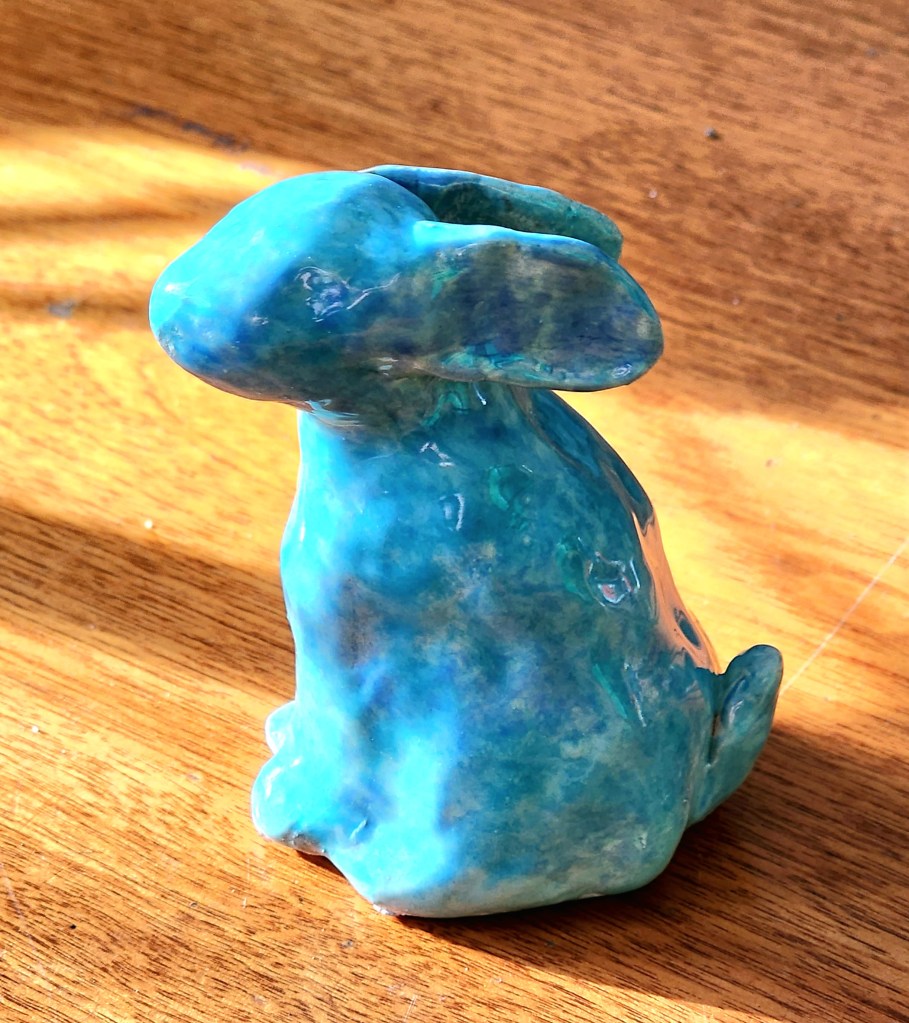
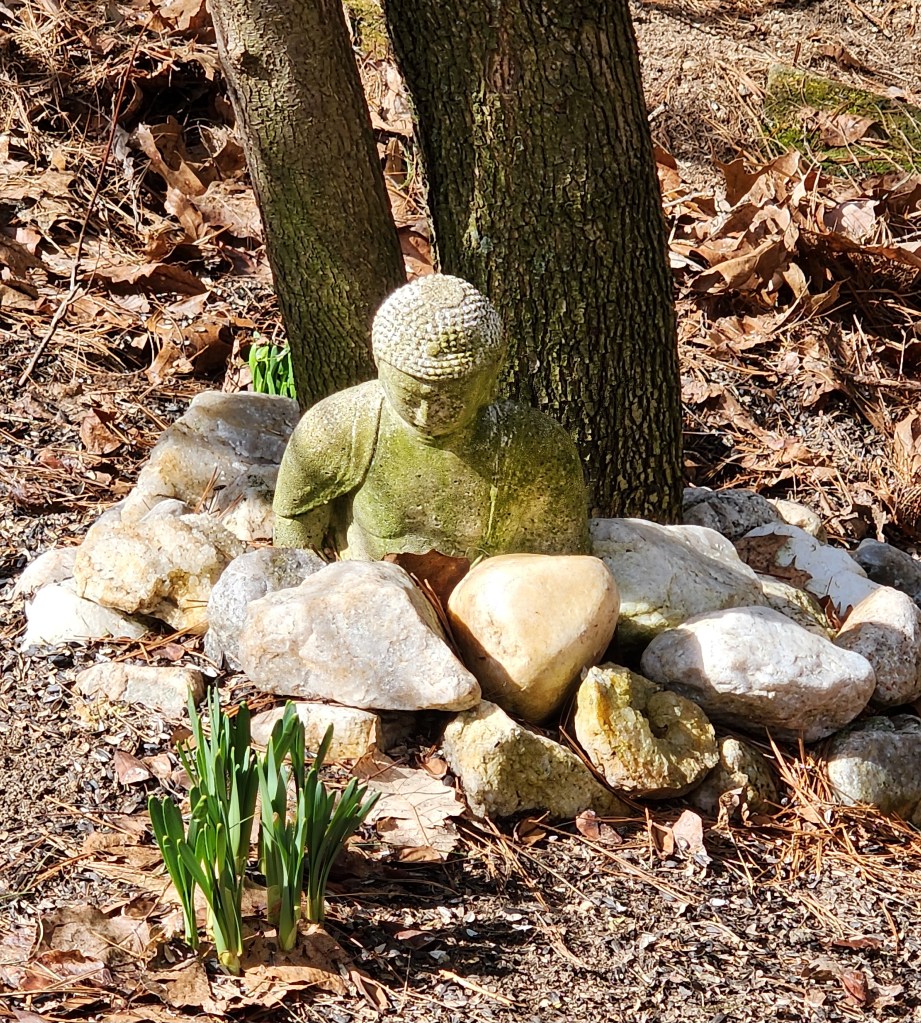
“Daffodils, that come before the swallow dares, and take the winds of March with beauty.” – William Shakespeare
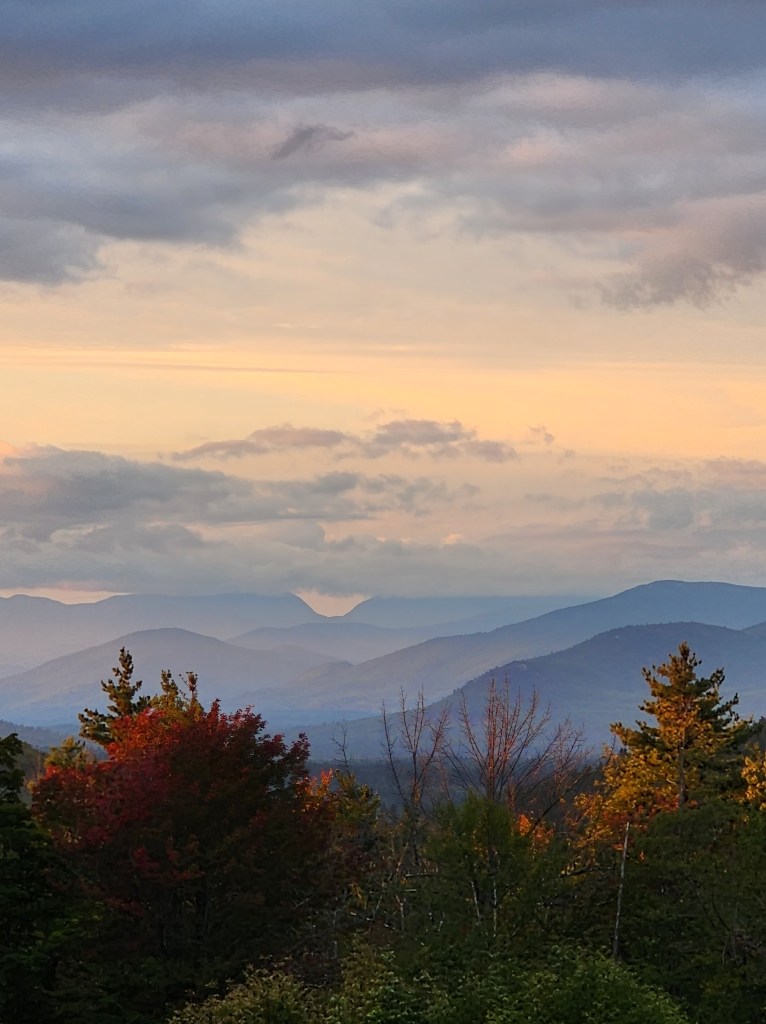
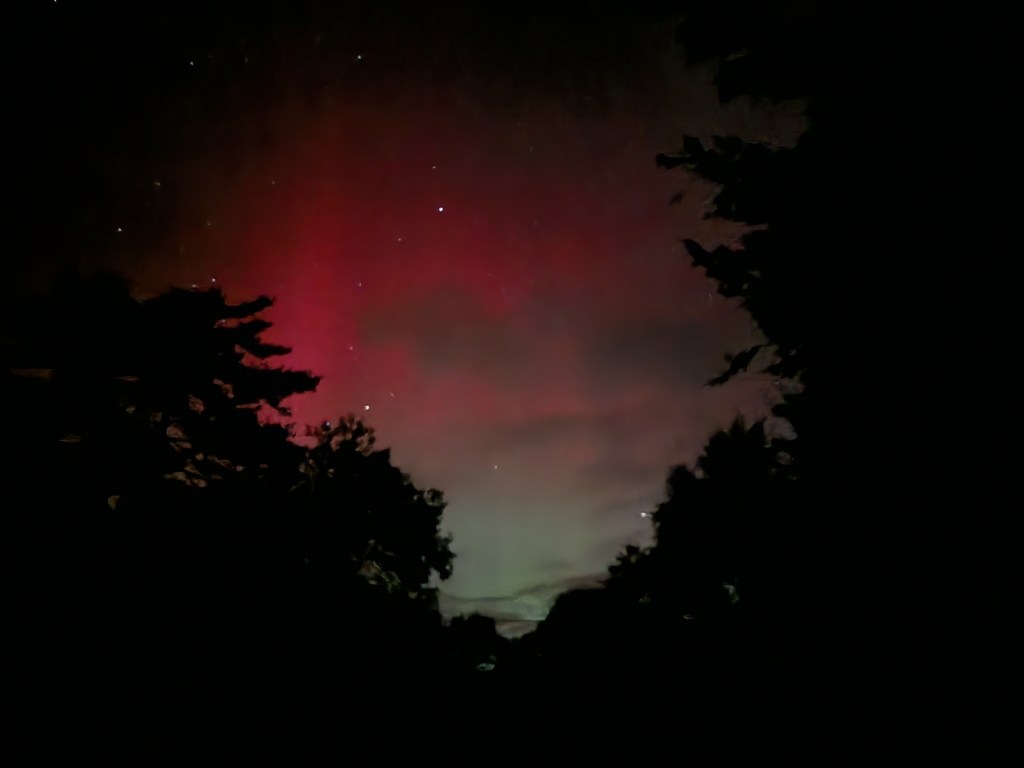
“It is good to have an end to journey toward; but it is the journey that matters, in the end.”― Ursula Le Guin

One of my favorite things about hiking is seeing what’s around the next corner. I always say “I’ll just peek around one more bend” then three hours later I’m working my way back having gone much further than intended.  It’s a chronic hiking issue and an impossible habit to break.  I’ve learned to make sure I have open-ended time for my hikes so I am free to be wayward and wandering.  The doggos love it, this need to find new spaces and secret places. They love going off-trail – morphing into the wolves they descend from. Their body language changes, as does their level of focus and awareness of their environment. The same is true for me, skirting glacial erratics, hugging trees as I work my way down an embankment, or following a deep-cut drainage brings out a feral part of me. And I feel completely at home in this space.  (The smell of fallen leaves…)

This Fall has had some amazing and unusual moments beyond the autumnal magic I love so deeply. There have been shooting stars, auroras, kayaking with a swimming moose, eagles and being out on the ocean sailing.  All of these conspire to tempt me around the next bend in a multitude of ways – creatively, professionally, and devotionally. They all created new spaces with the promise of so much more to explore.  Things have started changing rapidly in my life as I move deeper into Cronehood. I embrace this dark wisdom and the strength I find in the shadows. I have lived through much and am still not halfway through it all.

The cosmos is within us. We are made of star-stuff. We are a way for the universe to know itself.”― Carl Sagan

There are parts of my soul that will never heal, losses too profound to quantify. And yet there is newness too, my mind continues to be fluid and open to new ways of seeing and interpreting my life and world as I move through my own timeline. Increasingly, I am drawn away from the chaotic modern world and recede into the forest for critical doses of truth, simplicity, and authenticity.  I’m only afraid when I am pulled away from that too much and feel myself becoming withered and bitter without it.  There has to be balance, but it is a daily challenge to ensure it. I go wandering as much as I can, especially this time of year, making all the navigational shifts I need to for as much balance as possible. And I know I am not alone in this reclusiveness – I know there are more and more who seek solitude and simplicity, we sense keenly what is missing in modern life, increasingly want no part of it…

 I can see the trail, how it winds and curves through beech and birch around the next bend and out of sight. The light is tickling through the changing leaves like stained glass, the wind has a chill in it, fallen leaves drape over stone and root. The sky is a palette of light and dark as the earth prepares to sleep, and it is time to see where this path takes me.  Those who have gone before are near, present in wood, wind and stone. Their voices are a susurrus in the blowing leaves and dried grass.  Out in the wild, feeling them so near I am comforted…told to be patient…

One day it will be my voice on the wind and in the leaves.

“To light a candle is to cast a shadow.” – Ursula Le Guin

“There is, one knows not what sweet mystery about this sea, whose gently awful stirrings seem to speak of some hidden soul beneath.” – Herman Melville

My sister and I marked the summer solstice by the sea. We have made a new tradition since our parents passed of going down to Newport RI to celebrate their birthdays (both in June) as well as the solstice (our father passed away on the summer solstice, a truly fitting exit). We have historical connections in Newport, our great-aunt married a cousin of Herman Melville, Da taught at Hatch Prep, a private school which is now Salve Regina College. Da loved sailing, we had an 18-foot Town Class sloop growing up and my sister and I both learned to sail with him. Mum loved flowers and it is a wonderful coincidence that the Newport Flower Show happens around the solstice each year.


This year was foggy and humid- the ocean silver and grey punctuated by white caps. The smell of the sea and salt marsh roses hung thick in the air, accenting the scent of the thousands of lilies, roses, and peonies at the flower show. A stillness with an undercurrent of anticipation, storms are born out of this dense air -we would experience that later in the day at polo, taking shelter under the gift shop tent with other spectators! I had made a new dress for the flower show, another tradition I observe, each year I decide on a color palette and hand-dye a dress. This year I was inspired by thoughts of Monet, water hyacinths, and hydrangeas and the result was lovely. I found I matched the hydrangeas at the flower show perfectly! Later in the day, huge fog banks hung over the bay swallowing up the sailboats and the rocky shore on the other side.

“Meditation and water are wedded forever.” – Herman Melville
Days like this by the sea inspire thoughts of the mysterious, the ghostly, and nautical superstitions. The fog is otherworldly by the sea, it blends the water and the sky so completely that the world disappears. It blows in over the land reaching out with long tendrils, seeking and exploring the solid ground that is so unlike the eternal motion of the water. There are many veils that are thin on this kind of day, senses muffled by lack of color or sound are heightened in other ways. The skin prickles with awareness, a galvanic response, the scent of the sea and roses saturates one in nostalgia. Prehistory and history bleed into the present, you can feel what it was like 1,000 years ago, 100 years ago, only recently domesticated but never tamed. The quaint shops and expensive yachts are the illusion, the sea will reclaim the land if it ever wants to.


It is here that I feel my Celtic/Teutonic ancestry the strongest. I love water, any water. I love being out on the water or better yet, in it. I am captivated by all its moods, the constant and infinite changes of light and shadow. The constant roar of ocean waves or the soft lapping of a glacial lake. I always come away from time spent by water with new inspiration and ideas. I have made a promise to myself to spend as much time near water from now on as I possibly can, cleansing, rebooting, healing, and absorbing its magic to take home to my creative life. Paying homage to my Da whose Germanic/Nordic lineage no doubt included some lives spent Viking…skål!

“It is not down on any map; true places never are.” ― Herman Melville

“It is spring again. The earth is like a child that knows poems by heart.” – Rainer Maria Rilke

Spring came early to New England this year. After a relatively mild winter, in late February, there were pips pushing up through frozen earth and even some modest “Big Nights” (amphibian migrations to vernal pools), some of the earliest ever recorded.  The birdsongs abruptly changed, as if someone suddenly switched the forest playlist. Now that we have reached the Vernal Equinox, we are facing some rounds of snow, fully in keeping with New England’s capriciousness.

The winter was a productive one, and a time for firsts.  A successful holiday fair and art show, an article published in The Folk Harp Journal, even bookings for weddings. Cu Ruadh steadily gains momentum, and the softness of spring has me optimistic about the coming year.

Spring may have come early but I am definitely a late bloomer. I have been artistic since I was little but only recently have begun to share my work. It has been gratifying and illuminating to see how my work affects people. So far reactions have been positive, my pieces “speaking” to individuals drawn to the messages they convey. When you put your work out there you are putting part of yourself out there and naturally you prefer reactions to be positive and constructive. This has been a big step for me and it has me contemplating the evolution of my art over the years, how it represents my passion, wonder and spirituality. (The four-year old who loved salamanders still does.) And yet, my art is not about me, my message is one of stewardship and protection of those who need our kindness the most.  In that vein, I have also been pleasantly surprised to realize that the fact that Cu Ruadh has a mission also resonates very strongly with people. I have yet to encounter a customer who wasn’t thrilled to learn that part of their purchase will go to a wildlife organization.

Our lives are defined by moments, not the everyday routines or mundane, necessary tasks of living but those moments that remove one from the endless flow of “have to” and give us pause. They say “listen” or “here”, and in those moments, whatever we see or hear is strong enough to cut through the daily noise. We are reminded of beauty, depth and magic. When I play my harp for others or create a piece that draws the eye down and in, I am now a part of that magic. I have received the moments that inspire my work and I pay them forward, hopefully reminding folks that there is more, so much more than being dragged along in a current we did not choose.  Then I pay it forward again by supporting those who are on the front lines showing kindness and compassion every day to the many creatures we should be sharing this world with.

Cu Ruadh started as an idea, in the very beginning a lifeline to hold onto while in the grip of crushing grief. It has now taken root in the physical world and is growing.  We have fairs, farmers markets, weddings and holiday events lining up this year, we will be meeting lots of people and have many opportunities to keep paying things forward. I feel Casey’s spirit woven through our work. Her story and the story of how Cu Ruadh came to be touches people who ask, “What does Cu Ruadh mean?”

I smile, swallow, and say “It means “Red Dog”. It all started years ago when I met a cheeky redhead…”

“Spring drew on…and a greenness grew over those brown beds, which, freshening daily, suggested the thought that Hope traversed them at night, and left each morning brighter traces of her steps.”
― Charlotte Brontë

The Shortest Day

“Forgetting the wrongs, with carols and songsTo drive the cold winter away…”

After our parents passed, my sister and I decided to come up with new holiday season traditions. We started going to Newport RI to visit the mansions in their festive splendor, drink mead at midwinter bonfires and visit Winter Lights at various historic places such as Naumkeag in the Berkshires.

This year we stayed overnight in the Berkshires at a gorgeous farm off the beaten path in New Marlborough, surrounded by fields punctuated with lines of trees and pampas grass. Our suite was part of a renovated barn, rustic and cozy, a lovely place to greet the first day of winter.

Last night on solstice eve, the wind howled around the eaves of our cozy nest and the little stove in the corner cast its soft, golden light, keeping us warm. In the morning, I headed out into the frosty, windy dark to greet the dawn and the winter solstice.

The rising of the sun, the running of the deer…

I walked the edges of each field as the light paled and the stars winked out of sight. I did indeed see the running of the deer, witnessed the waking of small birds and the distant rush of running water. And I felt thankful on this shortest day that I could be present for such things.

This Fall and early Winter has seen a flurry of activity – my first holiday fair as Cú Ruadh was a success, I’ve written an article for a Spring publication, created new works and started new projects. So it was a blessing to pause and mark the shortest day.

One of the things I’m interested in cultivating this winter is the Nordic concept of Hygge (pronounced “Hooge”). Hygge is a turning inward during the winter months (no surprise in countries where the sun all but disappears for months) and speaks to the need in all of us to settle in and slow down. There are ten aspects to Hygge: atmosphere, presence, pleasure, equality, gratitude, harmony, comfort, truce, togetherness and shelter.

Taken together these aspects create a structure for daily living that keeps one in a state of calmness and contemplation. Candles, fires, curling up with a good book, journaling, stepping away to detox and rejuvenate. We all say we are going to do this but in places like Iceland and Denmark it is a cultural practice and everyone enjoys Hygge. While the same can’t be expected elsewhere, it is something worth building around yourself and your loved ones to push back the shadows and cold.

This solstice day I will spend hiking and tonight will light a bonfire at home to mark the longest night. And I will be blessed to be with those I love most in the world.

Welcome Yule.

“So the Shortest Day came and the year died 

And everywhere down the centuries of the snow-white world 

Came people singing, dancing, To drive the dark away.  

They lighted candles in the winter trees; 

They hung their homes with evergreen; 

They burned beseeching fires all night long To keep the year alive.  

And when the new year’s sunshine blazed awake T

hey shouted, reveling. 

Through all the frosty ages you can hear them Echoing behind us  listen!  

All the long echoes, sing the same delight, 

This Shortest Day, As promise wakens in the sleeping land: 

They carol, feast, give thanks, 

And dearly love their friends, 

And hope for peace.  And so do we, here, now, 

This year and every year. 

Welcome Yule! “ – Susan Cooper

“A teacher affects eternity; he can never tell where his influence stops.” – Henry Adams

Every August I look forward to the arrival of the Perseid meteor showers, easily the most spectacular of the yearly celestial events. On a clear night when they are peaking you can see dozens streaking across the sky, heralding the coming autumn.

One of my most cherished memories from childhood was rowing out after dark to the middle of a New Hampshire lake with my Da to watch the Perseids. The sound and smell of the water lapping the hull and overhead the infinite dome of stars punctuated by iridescent ribbons of light. He would talk about astronomy, cosmology and how to frame your life on an infinite worldview, (“your life is a grain of sand compared to all those stars”). He taught me about the constellations and how they move with the seasons, joked about lake monsters and asked me who I thought I would grow up to be. That little grey skiff was where my relationship with my father took root and grew, where we both realized that we were so alike in so many ways. Every year I looked forward to our family vacation in August, anticipating our nights on the lake watching meteors. The last week of his life I sat by his hospital bed talking about those memories, among others, as if calling back that childhood magic could buy us some more time.

It didn’t, but it affirmed the love we felt for each other.

This morning, after powerful, torrential storms, I stepped outside with my headlamp for the pups to take their morning constitutional (it was 4 am – that is when Lifa decides the day begins). The air was at last chilly, crisp and clear after weeks of dense humidity and heat. The stars scattered across the sky – old friends I hadn’t seen in too long. On the eve of August I was reminded, as I am every year, of the Perseids and my Da. I spent the day on the water kayaking, indulging in nostalgia through the scent of water and the sounds of waves lapping.

My father was easily the single biggest influence in my life. My love of nature, need to be half-feral, my inclination towards the subversive – all traits we shared. He was a teacher, and his brilliant perspective, quirky humor and deep love of sharing knowledge won the affection of many of his students. Some stayed in touch with him for decades after school and were deeply saddened by his passing.

I sense his influence in my own work with kids (especially my subversive sense of humor which they seem to enjoy) and I hope I am, for some, a positive influence. I have taken them into the woods to track wildlife, introduced them to Gaelic and Old Norse, and supported their right to be who they need to be.

Always with open honesty about the need for that limitless worldview that was Da’s greatest gift to me.  Paying it forward by encouraging them to look up, be patient, and watch that infinite dome of stars for those iridescent ribbons of light.

Et le jour est venu où le risque de rester enfermé dans un bourgeon a été plus douloureux que le risque de s’épanouir.

(“And the day came when the risk to remain tight in a bud was more painful than the risk it took to blossom.”)

― Anaïs Nin

My wish is to stay always like this, living quietly in a corner of nature. – Claude Monet

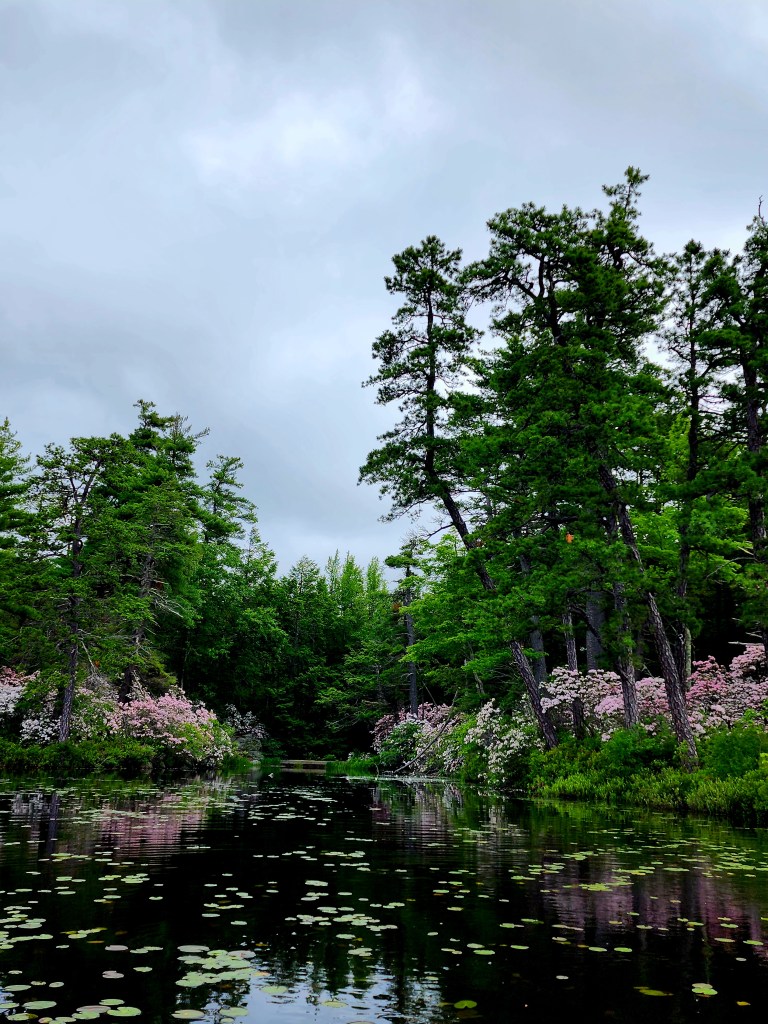
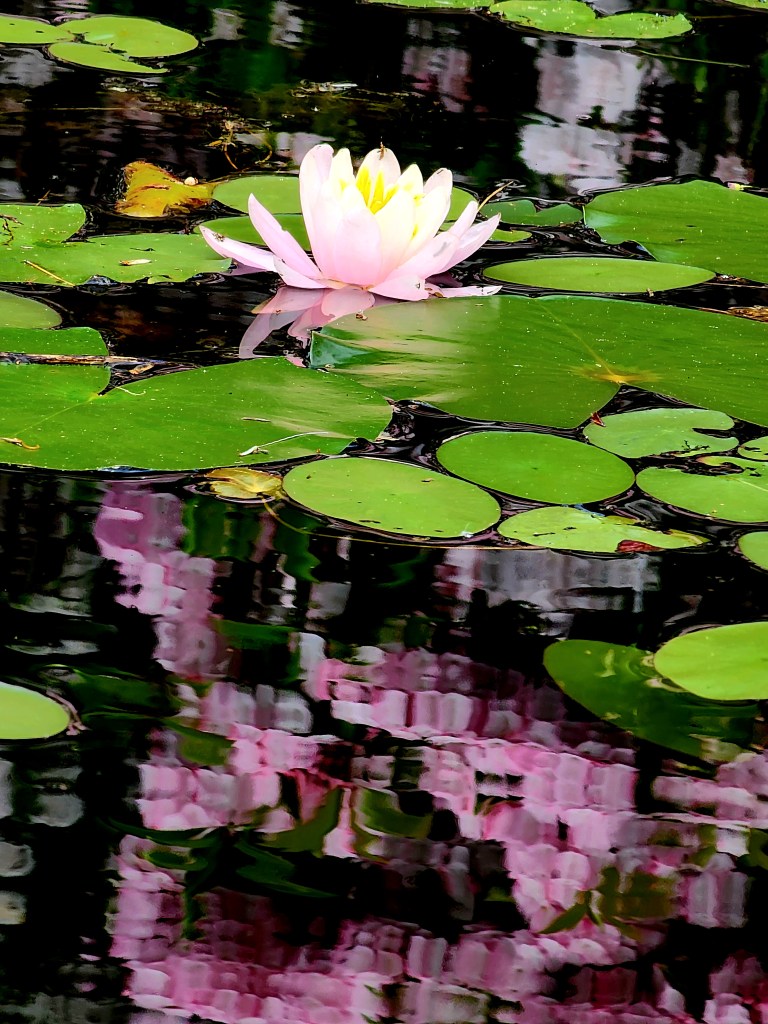
Here in New England we are having what botanists call a “mast year”. Mast refers to the nuts and berries that provide a core food source for wildlife. A mast year is when the conditions are right to create an overabundance of these food sources which in turn creates more babies. Mast years tend to occur every 5 -10 years, the last one in this region was 2018. It isn’t just nuts that get produced in massive amounts, many flowering trees and shrubs also respond. This year the mountain laurel in our area has bloomed in excess, filling the forest and lining the waterways with pink, fuschia and white blooms that would have thrilled Monet. I have spent the week hiking and kayaking among the laurel (my namesake as a matter of fact) allowing the magic of being immersed in such masses of flowers to renew me after a very difficult winter. Welcoming the Longest Day of the Summer Solstice.

On this Solstice I am also wishing for a “mast year” – I am working and weaving various projects into being in the hopes that they will provide enough sustenance for me to nurture them full time. They are my “babies” and with the right conditions and resources they should grow strong. Strong enough that when the various organizations who dedicate themselves to the care and rehabilitation of wildlife get inundated with orphaned mast year babies (it does happen) I will be able to provide financial support to them and see many of these orphans return to the wild when they are ready. This is the mission of Cú Ruadh and it is time to shift my life to focus on this.

Mast years allow trees to produce enough nuts so that they will not all be consumed and some will take root to create a new generation of trees. I sense myself in a similar moment, where this summer I have an abundance of time to see that my projects take root and create the next chapter of my journey. 

This summer marks my coming into my own time of reflection, creativity and an embracing of what has always been at my core. It looks like I am stepping away, but really I am just stepping out of the chaos in order to take root and grow strong- the acorn to the mighty Oak.

My mast year.

“Do you have the patience to wait until your mud settles and the water is clear?”
― Lao Tzu

“Many runes the cold has taught me, many lays the rain has brought me, other songs the winds have sung me….” The Kalevala

Back when I worked in Search and Rescue we did a lot of night training for the dogs. That involved one of us going out into deep woods, finding a good hiding place and sitting silently – sometimes for hours- while the K9s and their handlers used their skills to find you.  You couldn’t have any lights, use your phone or make any noise, the point was for the dogs to airscent you with no other clues and make the find on scent alone. That meant being absolutely still and invisible.

It also trained you to be comfortable sitting in the middle of nowhere in pitch black with nothing but your patience and thoughts. For my part I enjoyed it, I found it meditative and loved the idea of blending into the forest so completely that I began to have an idea what it felt like to actually belong out there.  Sometimes there were stars through the canopy, sometimes the full moon. Noises are magnified at night- squirrels sound like bears, branches rubbing together or owls sound like a distant voice calling for help. Everything blurs and things aren’t always what they seem. Even so, I never felt fear out there in the dark – the chaos and madness of the modern world does not hold sway out there. There is no confusion, noise, antagonism, stress – the natural world goes about its business without apology or imposition.

I think what I loved about it the most (and I still hike at night because of this) is it was the closest I ever came to feeling like I wasn’t an intruder. I would sit with my back against a big pine and let the story of the earth go on around me. I felt wrapped in darkness as if it were a favorite blanket I had loved once and thought lost. My eyes adjusted to the black until I could actually see faint details- individual trees, the silhouette of birds overhead, fireflies. My hearing sharpened to all the sounds- rustling in the leaves, the coyote far away, faint running water. My sense of smell too – the musk of a fox,  a hint of rain, the disintegrating leaves around me.  I could feel myself dissolving, shifting from a visitor to a participant.

Years later I came across the word Útiseta, from the spiritual traditions of the north literally meaning “to sit outside” but it is known better as a meditative practice that takes place in nature and involves the “dissolving” of the self into nature. In this sense what we seek is the feeling that we belong out there, that we are not impostors. That we realize how far we have drifted from our ancestral connections and long to work our way back to them.  I have no illusions about how difficult and often short life was for my ancestors, but I do believe they had a relationship to the natural world around them that we should aspire to, maybe re-imagine that connection knowing what we know now.  Why else do we feel touched and blessed when we encounter an animal that doesn’t flee right away, or see the light change through the trees,  feel mist on our skin or the roll of thunder booming through our bones.  We long not only for some relationship we have lost but also for the kind of life that allows us to be out in the wild more to bear witness to such things.  To make the connection, however fleeting.

My experiences at night took away my familiar senses and altered them so that they took in the world around me on another level. Without lights and gadgets I became just another animal in the woods and it was like coming home after too long away. I doubt that trees ever feel like their thoughts are too loud or that glacial erratics worry if they will ever go somewhere else. In the daylight I hold on to the lessons of the night and make my presence as symbiotic as possible. It is much harder to “dissolve” during the daylight but definitely something worth working on- turning away from all the distractions, stripping thoughts down to the senses, rooting in geological time.  This tapestry has been woven over billions of years and it is mind boggling in its intricacy – we are the ones who ripped ourselves out of it and have been lost ever since.  I for one, intend to weave myself back in somehow, using the best colors and threads.

Weaving those threads into a map to find my way home.

“For the animal shall not be measured by man. In a world older and more complete than ours, they move finished and complete, gifted with the extension of the senses we have lost or never attained, living by voices we shall never hear. They are not brethren, they are not underlings: they are other nations, caught with ourselves in the net of life and time, fellow prisoners of the splendour and travail of the earth.” ― Henry Beston

“We faced it and did not resist. The storm passed through us and around us. It’s gone, but we remain.”― Frank Herbert, Dune

A couple of weeks ago we had a series of storms that swept through the Northeast. For days we heard the cracking and crashing of trees succumbing to the weight of snow and ice, unable to withstand the relentless wind. Of course we lost power and as the house got colder, we layered clothing to stay warm. Curled up under robes and blankets, I began to think about how easy it is for us to be knocked out of our comfort zone. How not having power for even just a day or two feels unsettling and disruptive.  How dependent we have become on amenities and their availability. On others to set it right.

 There’s a Norwegian saying – “Det finnes ikke dårlig vær, bare dårlig klær!” which translates to “There is no bad weather, only bad clothes!”  – it is the classic Scandinavian “devil may care” attitude borne from the harsh weather of the far north. When storms like these occur it is easy to imagine how much closer the experience would have been to my ancestors living in their sod houses hearing the Gods argue and throw trees about. No central heating or electricity to warm or light up the night. And that part of my brain was well aware of every splitting crack and THUD outside the house with the same primal unease, the nervous sense of being at the mercy of powerful forces well beyond my control.  Did storms frighten my ancestors? Or did they instinctively hunker down around the fire and let them pass over, passing the night telling stories to each other?

It also made me think about their resilience and ability to “weather storms” – indeed, if I had a woodstove for example, I would have at least been warm, maybe even able to make some camp coffee.  I consider myself quite outdoorsy,  resilient and capable – and I have wanted to find a nice little cabin with a woodstove and be more autonomous for a long time. I have joined the ranks of those who are drawn to the ways of life of our ancestors. Some go very far into this life, completely off grid but most of us would just like a simpler but deeper lifestyle – the woodstove, the garden or small working farm, a little sturdy place that can remain cozy and safe.  Let the storm come, we’ll be fine.

When I was in college I lived in a circa late 1800’s cabin (which we still have) that was not winterized.  There was a lovely fireplace and I would hang thick tapestries across doorways to trap the heat. Bottled water (we drained the pipes in the fall), stove and oven worked fine and there was electricity all year. It was mild roughing it, granted, but I loved it. Winter down at the pond was silent and peaceful, I would curl up by the fireplace on a snowy night and read or study. I felt then that an old world life would suit me just fine and I felt close to my ancestors living that way. They were a daily presence as I split wood or brought water in.  There is a lot to be said for living closer to the cycles of nature and connecting past with present. Deeper, not wider.

Perhaps that is why there are now artists and musicians reviving and reinterpreting ancient cultures as a counterpoint to a dissonant, disconnected modern age – and people RESPOND to it – powerfully. I know I did- it just isn’t healthy to be so far removed from our past, ancestry or nature.  There is no depth to connections anymore and if you are not deliberate and careful you are continuously swept along the information superhighway until you practically forget who you are. Infinitely wide, virtually no depth.

My sister and I have been researching our ancestry since our parents passed, so far it is a blend of Celtic, Germanic and Nordic.  Those breathing new life into the culture and ways of my ancestors has taken my spirituality deeper than I thought possible and also an understanding of myself “in context” that is, learning how my personality aligns so perfectly with my ancestry and how all these generations later my perspectives and attitudes reflect theirs. (My father used to joke that he was “Harold, Last of the Saxons”)  My sense of self has expanded to my people and culture, put me in touch with others embracing the same identity and shown me the kind of lifestyle I need to start creating where I can thrive.  I will get there and find that little cottage and let the storms come, in a space where I can be thrilled by the howling wind and dancing trees, not uprooted myself.

Imbolic and the Cold Full Moon has come and gone, the birdsongs change and the light gets stronger and lasts a bit longer each day. As it has been for millennia, spring is on its way – I look forward to softer, gentler days as I am sure my ancestors did, another winter behind us.

“Lo, there do I see my father.

Lo, there do I see my mother,

and my sisters, and my brothers.

Lo, there do I see the line of my people,

Back to the beginning!” – Norse Prayer